
博客
★ 精选
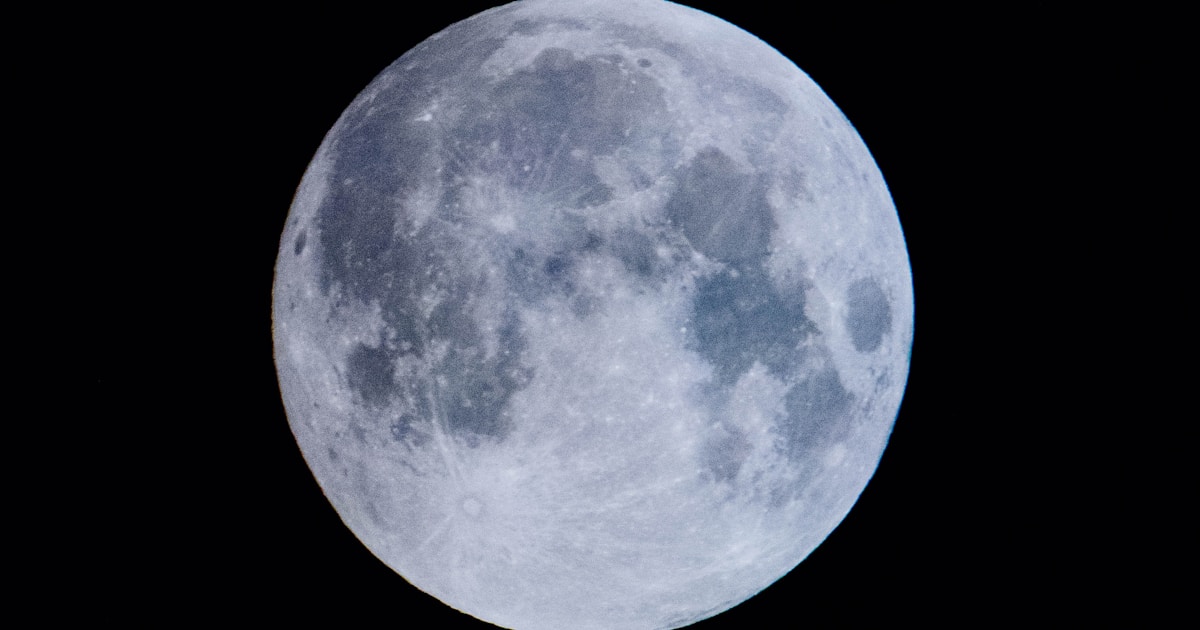
如果小行星撞击月球会怎样?2024 YR4 的故事
一颗60米的小行星有4%的概率在2032年撞击月球。如果真的发生会怎样?科学家说我们会看到比任何恒星都亮的闪光、天空中的流星,以及人类历史上最大的月球撞击事件。
146光年外发现新地球大小行星 — 为什么-70°C仍然算'宜居'?
科学家刚刚发现了HD 137010 b,一颗尽管温度极低但可能宜居的地球大小行星。这里解释什么让一颗行星'宜居'以及我们如何发现这些遥远的世界。
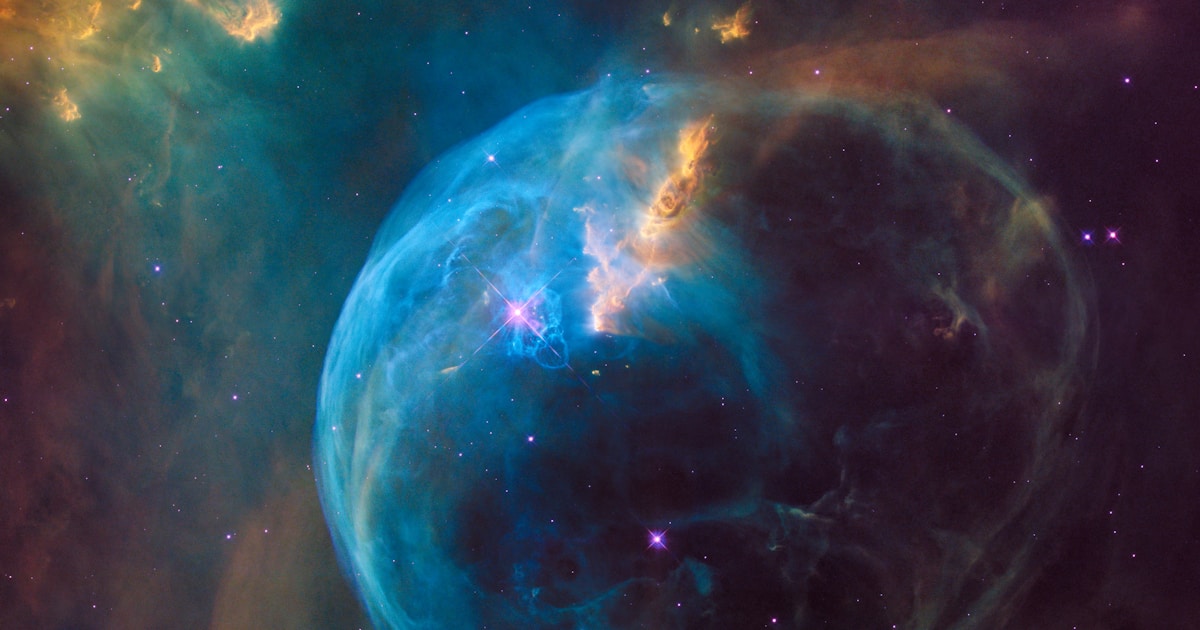
科学家绘制了看不见的宇宙地图
宇宙中85%的物质是看不见的。我们无法看到或直接探测到它。然而科学家刚刚创建了有史以来最详细的暗物质地图。

天空为什么是蓝色的?光散射的科学原理
你是否想过为什么天空在白天是蓝色的,而在日落时变成红色?探索瑞利散射的迷人物理学。
所有文章
Facts About Ice: Why Frozen Water Gets Weird
Facts about ice: why frozen water floats, expands, makes six-sided snowflakes, turns slippery, rejects sea salt, reflects sunlight, and shapes life on Earth.
Human Body Trivia Questions With Answers
Human body trivia questions with answers about heart rate, hunger, tears, digestion, shivering, wrinkles, fingerprints, and why your body works daily.
Interesting Facts About Chocolate Chemistry
Interesting facts about chocolate: why cacao ferments, roasting makes flavor, tempering creates snap, bloom appears, and craving is chemistry plus closure.
Chemistry Trivia Questions With Answers
Chemistry trivia questions with answers about onions, popcorn, soap, bubbles, metals, dry ice, boiling, tarnish, and everyday reactions explained simply.
Facts About Glaciers: Ice That Moves
Facts about glaciers: how snow becomes moving ice, why glacier ice turns blue, how glaciers shape valleys, and when melting land ice raises sea level.
Psychology Trivia Questions & Answers
Psychology trivia questions with answers about memory, emotion, perception, decision bias, dreams, scarcity, sunk costs, and everyday brain surprises.
Apps Like Duolingo Without the Streak Pressure
Apps like Duolingo can mean language practice or a curiosity habit. Compare Duolingo, Babbel, Busuu, Anki, Brilliant, Khan, and MillionWhys for adults.
Technology Trivia Questions and Answers
Technology trivia questions and answers about GPS, passwords, AI, mirrors, spam filters, sensors, and the everyday systems hiding in plain sight today.
Food Trivia Questions & Answers
Food trivia questions and answers about bread, pasta, coffee, onions, steak, fermentation, and flavor science, with instant explanations for every choice.
Fun Facts About Human Body: Everyday Biology
Fun facts about human body biology: why blinking, heart rate, gut rumbles, body clocks, and sneezing work as tiny automatic survival systems inside you.
Quizlet Free Alternatives for Curious Learners
Quizlet free alternatives for curious learners: compare Anki, Knowt, RemNote, Brainscape, and MillionWhys without turning wonder into exam cramming today.
History Trivia Questions and Answers
History trivia questions with answers for curious adults: explore flags, aqueducts, armor, greetings, Easter customs, and Marco Polo in quick cards today.
Facts About Light: Color, Shadows, Refraction
Facts about light get easier when you see the mechanism: visible wavelengths, refraction, scattering, shadows, and why color is a question your eyes answer.
Apps Like Quizlet for Curious Learners
Apps like Quizlet can help with flashcards, but curious adults may need question-first learning: compare Quizlet, Anki, Brainscape, Brilliant, and MillionWhys.
Science Trivia Questions With Answers
Science trivia questions with answers about GPS, mirrors, static, skaters, soda, apples, and the small whys that make everyday science click fast today.
AI Learning Apps for Curious Adults
Compare AI learning apps for curious adults: ChatGPT, Khanmigo, Duolingo Max, Quizlet, Brilliant, and MillionWhys without exam-cram habits here today.
Animal Trivia Questions With Answers
Animal trivia questions with answers about skunks, bees, owls, salmon, elephants, polar bears, frogs, and the little whys behind animal behavior.
Fun Facts About the Ocean: Pressure, Light, Life
Fun facts about the ocean, from crushing pressure and fading sunlight to phytoplankton oxygen, deep-sea animals, vent life, and why the blue surface fools us.
Music Trivia Questions With Answers
Music trivia questions with answers about instruments, pitch, echoes, vibration, tuning, and the hidden physics that makes sound feel alive today.
Learning Anything Starts With Tiny Questions
Learning anything works better when the unit is a tiny question: curiosity opens the gap, real answers close it, and knowledge compounds over time.
Fun Facts About Penguins: Adaptations Explained
Fun facts about penguins: how feathers, feet, flippers, salt glands, countershading, huddles, and deep dives make impossible adaptations work.
Geography Trivia Questions With Answers
Geography trivia questions with answers about continents, rivers, deserts, islands, oceans, mountains, valleys, oases, cliffs, and maps.
Facts About Giraffes: The Neck Is the Trap
Facts about giraffes: why the long neck creates huge blood-pressure problems, how drinking works, and why neck evolution is still debated by scientists.
AI for Learning Works When Curiosity Leads
AI for learning works when curiosity leads: use AI to expose gaps, close them with real explanations, and turn each answer into a better why, not a shortcut.
Alternative to Duolingo for General Knowledge
Looking for an alternative to Duolingo for general knowledge? Compare Duolingo, Brilliant, Khan, Quizlet, Blinkist, Anki, and MillionWhys today.
Questions About AI: Learn by Asking Better Whys
Questions about AI work best when they expose a real gap. Use this guide to learn with AI without losing curiosity, judgment, or real closure in practice.
Sports Trivia Questions With Answers
Sports trivia questions with answers about running, lifting, basketball, soccer, climbing, hydration, recovery, and the science behind performance today.
Weather Trivia Questions With Answers
Weather trivia questions with answers about rainbows, fog, frost, thunder, wind chill, humidity, blizzards, and everyday sky science.
Facts About Rainbow: Why Rainbows Form
Facts about rainbow formation: how sunlight, raindrops, refraction, double rainbows, fogbows, and moonbows create the colors you see in the sky.
Space Trivia Questions and Answers: Cosmic Questions With the Why
18 space trivia questions and answers, each with the quick why behind it — from why we can see the Milky Way to why pulsars pulse.
啤酒扫盲:艾尔、拉格、IPA、扎啤、“臭味啤酒”到底都啥区别?
艾尔和拉格的区别在酵母,不在颜色;IPA 其实是艾尔的一种;啤酒变“臭”是被光照的,不是放老了。一篇讲清你一直没搞懂的那些啤酒词。
为什么成年人看到滑梯还是想滑?—— 你装作不想,是因为文化不能假装欲望不存在
你在公园里指给一个成年朋友看一个小滑梯,留意他脸上那半秒 —— 几乎一定有一闪而过的兴奋,然后理性追上来,社会脸出现:"那是给小孩玩的。"那一闪是真的。理性脸是文化写好的剧本。这篇文章就来扒一扒,那个剧本到底在压抑你什么。
鱼油到底要不要停?2026 年 EPA vs DHA 脑研究到底说了什么
2026 年《Cell Reports》一项研究发现:鱼油里的 EPA 可能在反复脑震荡的人身上拖慢脑修复,而 DHA 则不会。这篇文章拆开研究本身、谁该真正在意、以及怎么读懂你手里那瓶鱼油上的那个比例。
南京明城墙:35 公里世界最长城墙的每一块砖,都刻着造砖人的名字
人类历史上最长的砖石城墙(35 公里),用糯米灰浆砌成,每块砖刻有最多 11 级问责署名 —— 一套 1369 年就在运行的供应链审计系统。
The Best Learning Apps of 2026: 8 Tools Ranked by How They Actually Teach
From Anki to Duolingo to MillionWhys — how 8 learning apps compare on retention, curriculum, adaptivity, and explanation quality. Pick the one that fits what you actually want out of your next 15 minutes.
Earth Day 2026: 12 Weird Whys About the Planet You Live On
From a 19.5-hour day stuck for 1.5 billion years to a mantle-wind black hole beneath Tibet, 12 mechanism-rich, verifiably true facts about Earth — each a 'small why' that changes how you see the planet. Earth Day 2026 edition.
Lyrid Meteor Shower 2026: When, Where, and How to Watch the Peak
The 2026 Lyrid meteor shower peaks April 21-22 in nearly moonless skies. Exact US-timezone viewing times, where to look in Lyra, and the 2,700-year history of humanity's oldest recorded meteor shower.
Why Does Avatar’s Mix of Chinese and Other Cultures Feel So Natural?
Why Avatar’s world feels culturally natural: Chinese culture as the main backbone, bending as martial grammar, and how Arctic, Tibetan Buddhist, and other influences are woven into each nation.
Why Do Rocket Launches Need a Launch Window?
Why rocket launches need precise windows: orbital geometry, launch sites, target orbits, rendezvous timing, and how vehicle performance changes the practical margin.
Why Can One Storm Scramble Flights Across the Whole Country?
Flight delays do not spread nationwide just because the weather is bad in one place. They spread because modern air travel runs on tightly timed aircraft rotations, crew chains, and hub connections that turn local disruption into a system-wide cascade.
科学家在2.7万光年外的太空中发现生命分子
科学家首次在星际云中探测到对生命至关重要的复杂硫分子。这一发现表明生命的成分可能散布在整个宇宙——而且在地球形成之前就已经存在。
今日为什么:土拨鼠真的能预测天气吗?
1887年2月2日,第一个土拨鼠日在宾夕法尼亚州庞克瑟托尼举行。但为什么我们要相信一只啮齿动物的影子来预测天气?
今日「为什么」:泡沫怎么能摧毁一架航天飞机?
2003年2月1日,哥伦比亚号航天飞机被一块泡沫摧毁。为什么这么轻的东西能造成如此大的破坏?动能的物理学揭示了致命的真相。
今日探秘:黑猩猩汉姆 - 为什么我们要送动物上太空?
1961年1月31日,一只名叫汉姆的黑猩猩成为第一只进入太空的灵长类动物。但为什么NASA要先送黑猩猩而不是人类?答案揭示了我们如何测试未知领域的迷人科学。
好奇吗?来试一题 👇